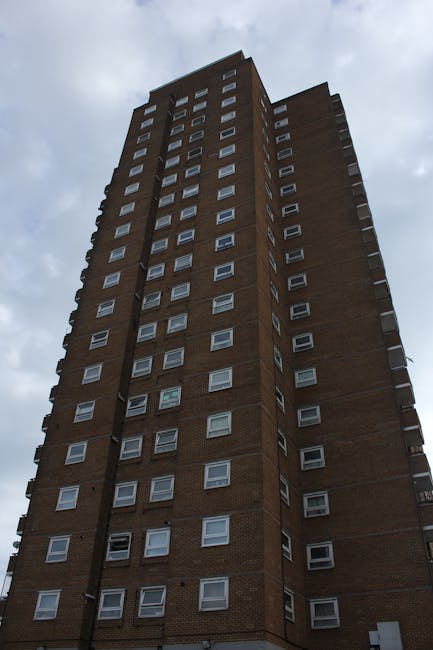
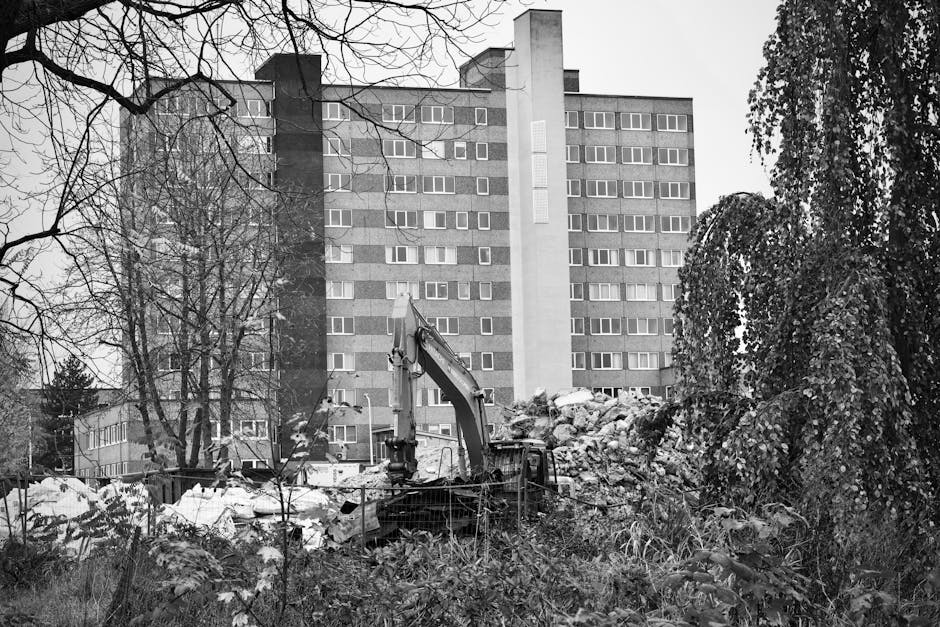
Downham rubbish clearance for flats on Downham Way tight access jobs
Clearing rubbish from flats sounds simple until you meet the reality of a narrow stairwell, a shared entrance, a parked car blocking the kerb, and a sofa that is just a bit too enthusiastic about not fitting through the door. If you are dealing with Downham rubbish clearance for flats on Downham Way tight access jobs, you already know the main challenge is not just removing waste. It is removing it safely, quietly, and without upsetting neighbours, blocking access, or making a mess in a small communal space.
This guide breaks down how tight-access flat clearance works in Downham, what to expect on the day, and how to plan the job so it goes smoothly. Whether you are emptying a rented flat, clearing old furniture, shifting mixed household waste, or dealing with a one-off bulky item, the key is preparation. Done well, the process can be quick, tidy, and far less stressful than most people fear.
For readers who want a broader view of flat and household clearances, the site's flat clearance service and general waste removal options are useful starting points.
Table of Contents
- Why Downham rubbish clearance for flats on Downham Way tight access jobs Matters
- How Downham rubbish clearance for flats on Downham Way tight access jobs Works
- Key Benefits and Practical Advantages
- Who This Is For and When It Makes Sense
- Step-by-Step Guidance
- Expert Tips for Better Results
- Common Mistakes to Avoid
- Tools, Resources and Recommendations
- Law, Compliance, Standards, or Best Practice
- Options, Methods, or Comparison Table
- Case Study or Real-World Example
- Practical Checklist
- Conclusion
- Frequently Asked Questions
Why Downham rubbish clearance for flats on Downham Way tight access jobs Matters
Flat clearance is always a little different from clearing a house, and tight access changes the whole job. In a block of flats, there may be shared hallways, stair-only access, narrow turns, limited waiting space outside, and neighbours who will notice every bang against a bannister. That means the job is not just about lifting waste out. It is about planning the route, choosing the right team size, and deciding what can be moved in one go without causing damage.
Downham Way is a good example of where access planning matters. In many urban residential settings, there may be limited parking, busy periods around school runs or commuting times, and the usual squeeze that comes with older blocks or compact developments. A clearance team needs to work around that, not fight it. That is the whole point.
There is also a practical side. If rubbish is left in a flat for too long, it can start to affect daily life fast. Hallways feel cramped. Boxes pile up. You trip over a bag that was supposed to go out yesterday. And if there is a move-out deadline, you do not want access issues to become the thing that drags everything out.
Expert summary: tight-access clearances are won or lost in the planning stage. If the route, timing, and waste types are sorted in advance, the actual removal is usually straightforward. If not, the job can become slow, awkward, and more expensive than it needed to be.
How Downham rubbish clearance for flats on Downham Way tight access jobs Works
The basic process is simple, but the detail matters. A well-run clearance usually starts with assessing what needs removing and how it can physically leave the property. That assessment is the difference between a smooth job and a frustrating one. A bulky wardrobe may need dismantling. A broken freezer may need two people. A mixed pile of bags may be manageable in one visit, but only if there is enough carrying room and parking access.
In practice, the work often follows this pattern:
- Initial assessment: the waste is identified and the access route is checked.
- Planning: the team decides whether items need lifting, carrying, dismantling, or separating before removal.
- Protection: floors, walls, and communal areas are protected where necessary, especially in narrow hallways.
- Removal: items are moved out carefully, usually in stages if the access is tight.
- Sorting: reusable, recyclable, and non-recyclable material is separated where possible.
- Final sweep: the area is left tidy, with no stray packaging or debris underfoot.
If you have ever watched two people carry a mattress down a stairwell and thought, "that looks oddly like a controlled dance," you are not far off. It takes coordination. On tight jobs, everyone has to move in sync or the walls pay the price.
Some flats are also better suited to a mixed service approach. For example, if you are clearing old furniture plus general clutter, you might use furniture clearance alongside broader home clearance support. If the job includes bulky household items, you may also need mattress and sofa disposal or fridge and appliance removal.
Key Benefits and Practical Advantages
The biggest benefit is simple: you save time and avoid stress. But there are a few more specific advantages worth spelling out.
- Better handling in awkward spaces: narrow staircases, corners, and shared entrances are easier to manage when the team is used to tight-access work.
- Less risk of damage: careful lifting and route planning reduce scrapes on walls, chipped paint, and damaged bannisters.
- Faster clear-down before deadlines: this matters when tenancy handovers, sale preparations, or refurbishments are on the clock.
- Cleaner communal areas: rubbish is removed in a controlled way rather than being dragged through hallways in a rush.
- More flexible than self-transport: not everyone has a van, helpers, or the patience to navigate a three-storey block with a wardrobe. Let's face it, most people do not.
There is another quiet advantage too: confidence. Once you know the access problem has been thought through, the whole job feels lighter. You are not guessing whether the item will fit through the door. You already know the plan.
For people comparing different clearance routes, the company's pricing and quotes page can help set expectations around how jobs are assessed, while recycling and sustainability is useful if you want to understand what happens to the waste after collection.
Who This Is For and When It Makes Sense
This type of service suits more people than you might think. It is not just for big clear-outs or end-of-tenancy jobs. In fact, some of the most common tight-access clearance jobs are surprisingly ordinary.
- Tenants moving out: clearing left-behind clutter, broken furniture, or general household rubbish.
- Landlords and agents: getting a flat ready for cleaning, repairs, or re-letting.
- Homeowners downsizing: removing old items that will not be reused in a smaller space.
- Families dealing with inherited belongings: often a sensitive job, and often in a building with awkward access.
- People doing a refurb: old carpets, furniture, packaging, and light builders' waste can build up quickly.
- Anyone with mobility or time constraints: if lugging bags downstairs is not realistic, a clearance service is just sensible.
Truth be told, the point where most people realise they need help is usually the moment they look at the item and then at the staircase. Or the lift. Or the stairwell that looks narrower than it did yesterday. Funny how that happens.
If your job is more about general property contents than a single load, house clearance may be a useful comparison, while loft clearance is worth reviewing if the items have to come down from above and the access is awkward in a different way.
Step-by-Step Guidance
Here is a practical way to prepare for a tight-access flat clearance without turning the whole thing into a drama.
1. Identify every item that needs to go
Make a simple list. Include furniture, bags of rubbish, electrical items, and anything that may be dismantled before removal. People often forget the smaller stuff because it has quietly spread into cupboards and corners over time.
2. Check the access route carefully
Look at the width of doorways, stair turns, hallway clutter, and any lift restrictions. If there is a basement path, rear entrance, or bin-store route, note that too. One extra route can make a surprising difference.
3. Reserve or protect the space if possible
If the building has shared access or limited parking, try to plan the collection time around that. Even a small delay caused by a parked van or a blocked entrance can ripple through the rest of the job.
4. Separate special items early
Appliances, mattresses, confidential papers, or anything potentially hazardous should be identified ahead of time. It helps the team bring the right equipment and decide whether a separate handling method is needed.
5. Clear a working path inside the flat
This is one of those small tasks that saves a lot of grief. Move shoes, rugs, plant pots, and loose clutter out of the way. You want the removal route to be obvious, not something someone has to guess at while carrying a cabinet.
6. Confirm what happens after collection
Ask how the waste will be sorted and whether reusable or recyclable items can be separated. That is especially useful for mixed loads and for anyone trying to keep disposal sensible rather than just fast.
7. Do a final walk-through
Before the team leaves, check cupboards, balcony corners, and behind doors. The classic "oh, I forgot that chair" moment tends to happen exactly when nobody has time for it. Happens all the time.
Expert Tips for Better Results
A tight-access clearance is rarely about brute force. It is about small decisions made early. A few practical tips go a long way.
- Photograph the access points: a couple of clear photos of the hallway, stairwell, front entrance, and bulky items help the team prepare properly.
- Measure awkward furniture: if a sofa is borderline, measure height, width, and depth. Guessing is how jobs get delayed.
- Keep the route tidy before arrival: even a narrow strip of floor space matters when items are being carried out.
- Tell the team about fragile surfaces: polished floors, glass panels, thin bannisters, or recent decorating all need extra care.
- Think in stages: not every job has to be done all at once. Sometimes a two-part collection is cleaner and safer.
A useful rule of thumb: if you think something might be difficult to move, say so. Do not wait and hope the problem disappears. It rarely does. Slightly awkward items usually become very awkward once they meet the staircase.
If your clearance includes items that need specialist handling, it is worth checking related guidance such as hazardous waste disposal or the firm's health and safety policy, especially where there are chemicals, broken equipment, or sharps involved.
Common Mistakes to Avoid
Most problems in flat rubbish clearance come from underestimating access. The item may look manageable in the room, then suddenly become a geometry puzzle in the corridor.
- Assuming everything will fit: many items need to be turned, tilted, or dismantled before removal.
- Ignoring shared spaces: communal hallways and entrances are not private work zones, so care matters.
- Leaving the booking too late: if there is a deadline, booking late reduces your options and often raises stress levels.
- Not checking what is included: some clearances are straightforward; others need extra handling for appliances or special waste.
- Forgetting parking and loading time: on tight-access jobs, the route from flat to vehicle can take longer than expected.
- Mixing hazardous and general waste: that can create handling issues, and it is not worth the risk.
One of the less obvious mistakes is overpacking bags. Heavy black sacks feel efficient until someone has to carry them down stairs. Then the weight starts to matter. A lot.
If you are unsure what items are commonly accepted in a van load or managed alongside other waste, what can go in a skip is a helpful reference point, even if you are not actually using a skip. It gives a practical sense of what types of waste are usually straightforward and which need care.
Tools, Resources and Recommendations
You do not need a van-load of equipment to prepare properly. A few simple tools and habits are usually enough.
| Item | Why it helps | Best use |
|---|---|---|
| Measuring tape | Confirms whether bulky items will fit through doors and turns | Before the booking and before dismantling |
| Phone camera | Helps show access points and item condition clearly | When sending job details or checking the route |
| Labels or tape | Makes it easy to separate keep, recycle, and remove piles | During room sorting |
| Gloves | Useful for minor handling, though heavy lifting should still be left to trained people | Light sorting and tidying |
| Door and floor protection | Reduces marks in tight communal areas | Shared hallways and narrow passages |
For people who want a more structured booking process, book online is the most direct route to arranging a collection. If you are still comparing the service fit, the company's about us page can also help you judge whether the approach feels right for your needs.
And if the job is not domestic at all, but a small premises or mixed-use property in the area, the business waste removal option may be a better match than a general household-style clearance.
Law, Compliance, Standards, or Best Practice
Rubbish clearance in the UK is not just about getting things out of the way. Waste must be handled responsibly, and that means paying attention to classification, transport, disposal routes, and the duty of care around what leaves the property.
For a flat clearance, the most important practical points are usually these:
- Duty of care: waste should go to appropriate disposal or recycling channels, not just dumped somewhere convenient.
- Special items: appliances, electronics, chemicals, and other controlled items may need separate handling.
- Shared property considerations: keep communal areas clear, avoid blocking fire routes, and minimise disturbance.
- Insurance and safety: the team should work in a way that protects both people and property, particularly where access is tight.
It is wise to ask how a company deals with safety, liability, and recycling before the job begins. The pages on insurance and safety, recycling and sustainability, and payment and security all help set sensible expectations.
There is also a trust angle here. A provider that explains its process clearly, shows care in shared spaces, and offers transparent pricing is usually easier to work with than one that rushes the conversation. That's just common sense, really.
Options, Methods, or Comparison Table
Different clearance methods suit different types of flat jobs. What works for a few bags of mixed rubbish may be the wrong call for a bulky furniture load. Here is a plain-English comparison.
| Method | Best for | Pros | Watch-outs |
|---|---|---|---|
| Man-and-van style collection | Small to medium loads, mixed rubbish, furniture, one-off items | Flexible, quick, suited to tight access | Needs clear item list and access details |
| Flat clearance service | Whole-room or whole-flat clearouts | More comprehensive, better for larger jobs | May take longer if access is very restricted |
| Furniture-focused removal | Sofas, wardrobes, tables, beds, chairs | Good for bulky pieces | Some items may need dismantling |
| Special-item removal | Appliances, mattresses, delicate or unusual waste | Handles specific disposal needs | Not every item can be treated the same way |
If the job includes old domestic appliances, you may want to combine it with appliance removal. If the load is mostly old beds or seating, the dedicated mattress and sofa disposal page is the more relevant match.
Case Study or Real-World Example
Picture a second-floor flat on Downham Way with no lift, a narrow stairwell, and a mix of old boxes, a dismantled bed frame, two armchairs, and bags of household rubbish. Nothing dramatic. Just enough to be annoying.
The first thing that made the job easier was sorting the access route before collection day. The resident cleared the hallway, moved a shoe rack, and took two quick photos of the stair turns. The team knew immediately that the bed frame would need to come down in sections, while the chairs could be carried carefully as they were. Because the access was explained clearly, the crew arrived with the right tools and enough help for the lifting.
The result was simple: no wall damage, no blocked corridor, and no need to keep revisiting the flat with extra trips. The waste was gone in one visit, the shared entrance stayed tidy, and the resident could get on with the move-out clean without that awful lingering pile of junk in the corner. Small win, but a proper one.
That is usually how these jobs go when they are planned well. Not glamorous. Just calm, efficient, and a bit of a relief.
Practical Checklist
Use this before booking or on the morning of the clearance.
- List all items to be removed
- Measure the largest items
- Check stairwells, lifts, and doorway widths
- Clear the access path inside the flat
- Protect floors if the building is sensitive
- Separate appliances, mattresses, and special waste
- Confirm parking or loading restrictions
- Take photos if access is unusually tight
- Ask about recycling, safety, and disposal methods
- Do a final check of cupboards, balconies, and storage spaces
Quick takeaway: if you prepare the access route and flag the awkward items early, you are already halfway to a successful clearance.
Conclusion
Downham rubbish clearance for flats on Downham Way tight access jobs is all about careful planning, sensible handling, and a realistic view of the space you are working with. Narrow stairs, shared entrances, parked cars, and bulky items do not need to turn into a headache if the clearance is approached properly. In fact, with the right preparation, the job becomes much more manageable than it first appears.
The main thing to remember is this: access matters as much as the rubbish itself. Once that is understood, everything else tends to fall into place. A tidy path, clear instructions, and the right service choice make a big difference.
If you are weighing up your next step, review the service details, compare the clearance options, and choose the route that fits your flat, your timeline, and the items you need removed.
Get a free quote today and see how much you can save.
And if you are staring at a cramped hallway thinking, "well, this is a bit of a squeeze," you are probably exactly the person this kind of service was built for. One careful visit can change the whole feel of the place.
Frequently Asked Questions
What is included in Downham rubbish clearance for flats on Downham Way tight access jobs?
It usually includes the careful removal of household rubbish, bulky items, furniture, and mixed waste from a flat where access is limited. The exact scope depends on the load and the building layout.
Can rubbish be removed from a flat with no lift?
Yes, provided the items can be carried safely down stairs and the access route is workable. This is exactly where planning and the right team size make a difference.
Do I need to measure my furniture before booking?
It is a very good idea, especially for wardrobes, sofas, beds, and appliances. Measuring helps avoid delays and makes it easier to decide whether dismantling is needed.
What if my hallway is too narrow for large items?
Some items can be dismantled before removal, while others may need an alternative route or a different collection method. The key is to flag the issue early rather than hoping it sorts itself out.
How should I prepare a flat before a clearance visit?
Clear the route, separate special items, and make a list of what needs to go. A tidy access path is one of the simplest ways to speed up the job.
Can you remove sofas and mattresses from tight-access flats?
Usually yes, although they may need special handling because of size and shape. The dedicated service pages for mattress and sofa disposal and furniture disposal are useful if those items are the main focus.
What happens to the waste after collection?
Responsible providers sort waste for recycling or disposal according to the type of material. Reusable and recyclable items should be separated where practical, rather than sent straight to general disposal.
Is tight-access rubbish clearance more expensive?
It can be, depending on how much extra time, labour, or equipment is needed. A clear description of access conditions helps reduce surprises and makes quoting more accurate.
Can I combine general rubbish removal with furniture clearance?
Yes. In many flat jobs, that is the most sensible approach. A mixed load is common, especially during moves, refurbishments, or end-of-tenancy clearouts.
What should I do if some items might be hazardous?
Keep them separate and mention them in advance. Items like chemicals, certain electrical waste, or broken containers may require different handling, so it is better not to mix them in with general rubbish.
How do I choose the right service for a small flat clearance?
Start with the item list, then think about access, deadlines, and whether the job is mainly furniture, general rubbish, or a full property clear-out. If you are unsure, compare the service pages and look at the booking or quote information before deciding.
Is there a difference between flat clearance and waste removal?
Yes. Waste removal is broader and can refer to many types of collection, while flat clearance usually focuses on clearing items from a residential flat, often including furniture and household contents.
What if I only have a few bags but the access is awful?
Even a small volume can be awkward if the building is tight to navigate. In that case, the access challenge may matter more than the quantity, so it is still worth describing the layout carefully before booking.
If you want to explore the company's wider approach to services, policies, and customer care, you can also look at complaints procedure, accessibility statement, and terms and conditions.